BLDC Fan

Written by NTechGalaxy Staff | Last Updated: Aug 28,2026

Affiliate Disclosure: This page contains affiliate links. If you purchase through these links, NTechGalaxy may earn a small commission at no extra cost to you. This helps support our website and allows us to continue creating free content. Thank you for your support

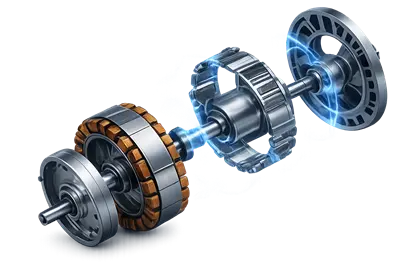
bldc motor
BLDC Motor (Brushless Direct Current)

What is a BLDC Fan?

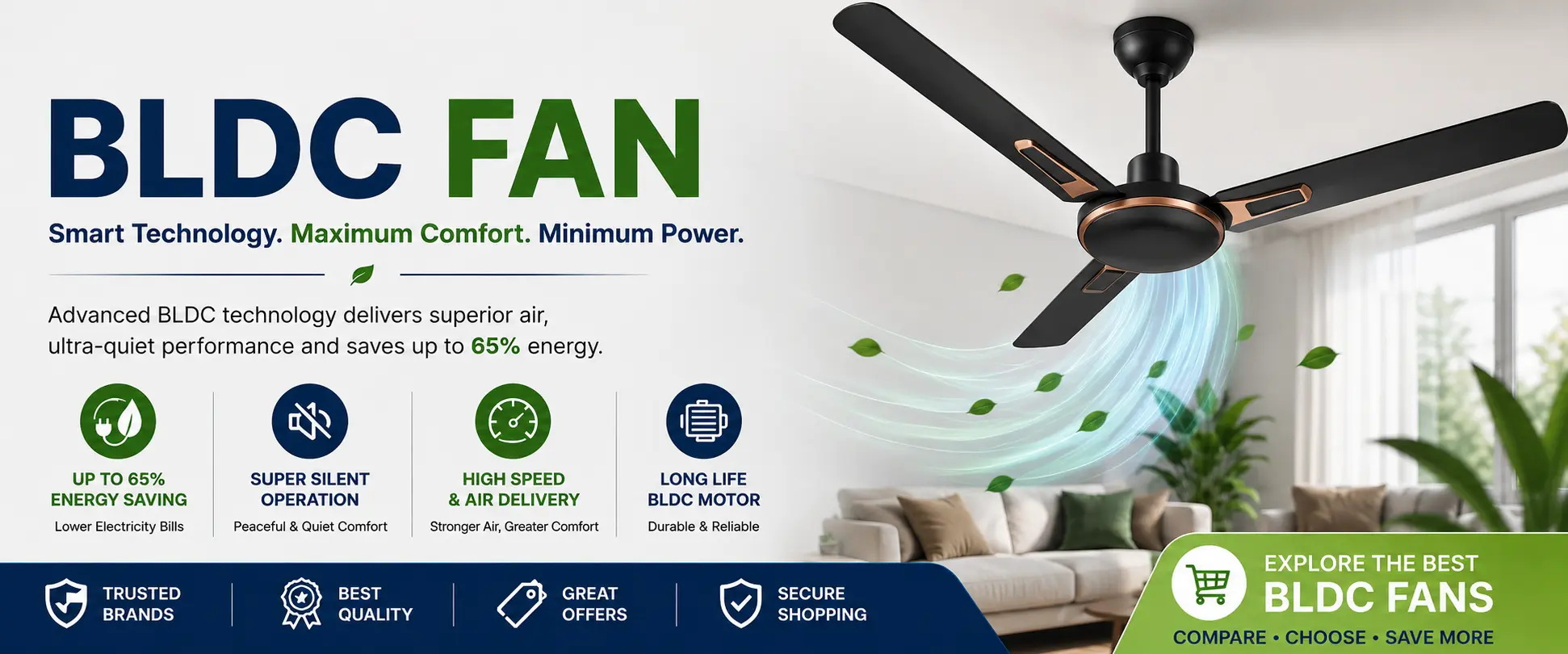
BLDC (Brushless Direct Current) fans use an advanced electronic motor that adjusts speed intelligently. Unlike traditional fans, they consume less power, run cooler, last longer and deliver superior performance.

No Brush

No Friction

Low Heat

High Efficiency

Noiseless

Smooth Operation

Smart Control

Remote & App

BLDC Fan vs Normal Fan

Feature BLDC Fan Normal Fan
Power Consumption 28W – 35W 70W – 80W
Energy Savings Up to 65% Less Power High Power Usage
Noise Level Very Low / Silent More Noise
Speed Control Stepless & Precise Fixed Speeds
Motor Life 2X Longer Life Standard Life
Heat Generation Low Heat High Heat
Smart Features Remote / App / Voice Control Not Available
Environment Friendly Yes No

Save Energy.
Save Money.

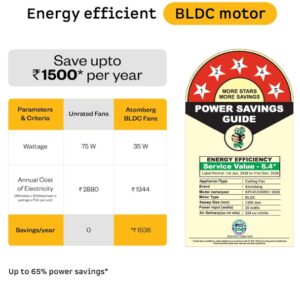
Switch to BLDC fans and save up to ₹1500 per year on your electricity bill.

Good for your pocket.
Great for the planet.

Realistic Earth globe with green leaves

Why Choose BLDC Fans?

♻

Energy Efficient

Consumes up to 65%
less electricity

♫

Super Silent

Enjoy a noiseless
and comfortable
experience

◴

Longer Life

Built with advanced
technology for
long-term use

⚙

Smart Features

Remote control,
Timer, Boost mode
and more

♧

Eco Friendly

Reduces carbon
footprint and
saves energy

Reduce the electricity bill using energy efficient fans:

  • Reduce your electricity bill by using energy-efficient fans and following smart energy-saving practices.
  • Choose fans with high Energy Star or BEE (Bureau of Energy Efficiency) ratings for lower power consumption.
  • BLDC (Brushless DC) fans consume significantly less electricity than traditional ceiling fans.
  • BLDC fans use electronic commutation instead of mechanical brushes, reducing energy loss from friction and heat.
  • They provide the same or better cooling while using much less power.
  • Many BLDC fans include smart features such as remote control, multiple speed settings, timer, and inverter compatibility.
  • Switching to a BLDC fan is an effective way to reduce electricity costs and improve energy efficiency.
  • This article shares a real-world experience using BLDC fans and their energy-saving benefits.

Youtube Video

Brand: Atomberg

1. Atomberg Studio Smart+ BLDC Fan with IoT and Remote

Atomberg Technologies is an Indian company that specializes in manufacturing energy-efficient smart ceiling fans. The Atomberg Studio Smart+ BLDC fan is one of their flagship products. Here are some key features and details about the fan:

1. BLDC Motor: The fan utilizes a Brushless Direct Current (BLDC) motor, which is known for its energy efficiency and quiet operation compared to traditional induction motors. BLDC motors consume significantly less energy while providing similar or better performance.

2. Smart Features: The Studio Smart+ fan comes with smart features, allowing users to control the fan using a smartphone app or voice commands through compatible smart home assistants like Amazon Alexa or Google Assistant. This enables remote operation and scheduling of the fan, offering convenience and energy savings.

3. Energy Efficiency: BLDC technology enables the fan to consume up to 65% less energy compared to conventional fans, making it an environmentally friendly and cost-effective cooling solution.

4. Design: The Atomberg Studio Smart+ BLDC fan typically features a modern design with sleek blades and a contemporary aesthetic, suitable for various interior settings.

5. Remote Control: In addition to smartphone and voice control, the fan often comes with a dedicated remote control, providing users with multiple options for adjusting speed, setting timers, and accessing other functions.

6. Variable Speed Settings: Users can typically choose from multiple speed settings to adjust the airflow according to their preferences and comfort levels.

7. Noise Reduction: BLDC technology often results in quieter operation compared to traditional fans, contributing to a more peaceful environment.

8. Warranty: Atomberg Studio Smart+ BLDC fans usually come with a warranty, providing assurance to customers regarding product quality and reliability.

Overall, the Atomberg Studio Smart+ BLDC fan combines energy efficiency, modern design, and smart features to offer a convenient and eco-friendly cooling solution for residential and commercial spaces.

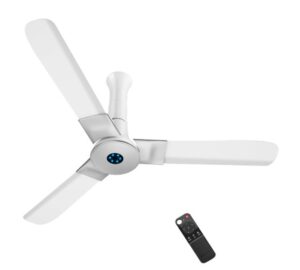
fan image
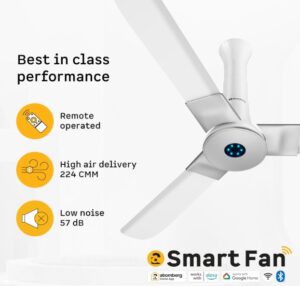
fan bluetooth
fan energy efficient
Key Features:
  • BEE Energy Rating: 5-star rated fan saving up to 65% in electricity consumption.

  • It comes with superior IoT features (control fan via):

        – In-app voice commands – Atomberg Home App

        – Accessed by both Wi-Fi & Bluetooth

        – Compatible with Alexa & Google Home devices

  • It comes with a Smart IR Remote.

  • It has a sleek and elegant design with LED lights.

Specification:

Brand:                       Atomberg

Warranty:                 2+1

Wattage:                   28 (at speed 5)

Air delivery (CMM): 224

RPM:                          360

Weight:                      4.5 Kg

Motor Type                Brushless DC (BLDC)

Pros:
  • Energy Efficiency: BLDC (Brushless DC) technology typically consumes less energy compared to traditional fans, potentially leading to lower electricity bills.

  • Smart Features: Integration with smart home systems allows for convenient control via smartphone apps or voice commands.

  • Variable Speed: Ability to adjust the fan speed to your preference for optimal comfort.

  • Quiet Operation: BLDC fans are known for their quieter operation compared to conventional fans.

  • Longevity: Brushless DC motors tend to have a longer lifespan than traditional motors due to reduced wear and tear.

Cons:
  • Initial Cost: BLDC fans may have a higher upfront cost compared to traditional fans, although the energy savings can offset this over time.

  • Compatibility: Smart features may require a compatible smart home system or additional accessories, which could add to the overall cost.

  • Installation Complexity: installation may require some basic technical knowledge or professional assistance.